
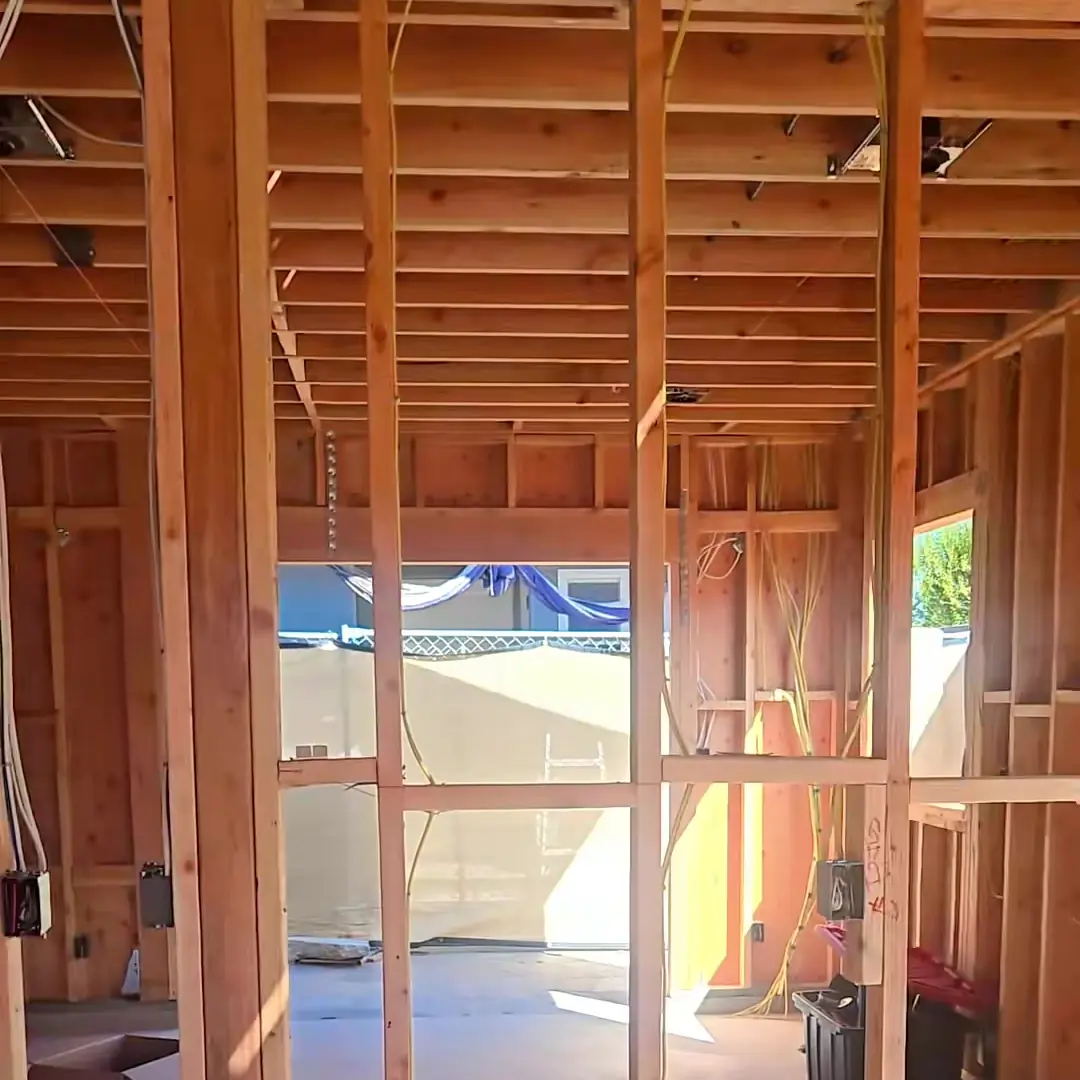
An accessory dwelling unit can add living space for family, a rental, or a home office, and Orange County homeowners have more room to build one than ever thanks to California's ADU laws. The first question most people ask is what it will cost. The honest answer is that it depends on a handful of specific factors. This guide explains what those factors are, so you can plan your ADU in Orange County with realistic expectations and make the decisions that matter most early.
Factor 1: The type of ADU
The kind of ADU you build sets the starting point for everything else.
- Garage conversion: turns an existing garage into living space. You reuse the existing slab, walls and roof where possible, but the structure often needs upgrades for insulation, windows, a new foundation section, or a raised floor.
- Attached ADU: shares a wall with the main house. It can simplify utility connections but has to be tied into the existing structure carefully.
- Detached ADU: a separate building in the backyard. It needs its own foundation, framing, roof and utility runs, so it usually involves the most work.
- Junior ADU (JADU): up to 500 square feet carved out of the existing home, usually the simplest option.
Size matters too. Larger units need more materials and labor, and bathrooms and kitchens are the most work per square foot because of plumbing, electrical and finishes.
Factor 2: Site conditions
Two identical ADU designs can be very different projects on two different lots. Things that affect the work include:
- Slope and soils: hillside lots and expansive soils, common in parts of south county, may need grading, retaining walls, or an engineered foundation.
- Access: a narrow side yard can mean materials and concrete have to be moved by hand or by pump.
- Existing features: trees, pools, sheds, and hardscape may need to be removed or worked around.
- Fire hazard zones: lots in Very High Fire Hazard Severity Zones, such as many canyon and hillside neighborhoods, require fire-resistant roofing, vents, siding and windows.
- Coastal Zone: lots near the coast may need extra coastal review.
A site visit early in planning identifies most of these issues before design starts.
Factor 3: Utilities
Utilities are one of the most overlooked parts of an ADU plan. Questions to answer early:
- Electrical capacity: can your existing panel and service handle the new unit, or does it need an upgrade? Depending on where you are, this involves Southern California Edison or San Diego Gas & Electric.
- Sewer: how far is the ADU from the sewer line, and can it drain by gravity or does it need a pump?
- Water: whether the ADU shares the existing meter or needs a separate one, depending on your water district.
- Gas or all-electric: many new ADUs are built all-electric, which can simplify the plan.
The distance from the main house to the ADU affects how much trenching and piping is needed.
Factor 4: Design and finish choices
Once the structure is set, your selections drive a large part of the project. Cabinets, countertops, flooring, tile, fixtures, windows and appliances each come in a wide range of options. Other design choices with real impact:
- Ceiling height and roof style: vaulted ceilings and complex rooflines add framing work.
- Window and door openings: large sliders and corner windows take more structural engineering.
- Layout: keeping the kitchen and bathroom plumbing near each other simplifies the rough-in.
- Energy features: California's energy code applies to new ADUs, and detached new-build ADUs generally need solar unless an exception applies.
Making these decisions before plans are finalized avoids change orders later.
Factor 5: Fees, plans and city review
Orange County has dozens of cities, each with its own building department, forms and fee schedule. Unincorporated areas go through the County of Orange. Our Orange County service area page lists the communities we serve. Soft items to plan for include:
- Design and engineering: architectural plans, structural calculations, and Title 24 energy documents. Some lots also need a soils report.
- Plan check and permit fees: set by each city.
- Impact and utility fees: state law exempts ADUs under 750 square feet from impact fees, and limits fees on larger ones. School and utility connection fees may still apply.
- Pre-approved plans: some Orange County cities offer pre-approved ADU plans that can shorten review.
State law requires cities to approve or deny a complete ADU application within 60 days. Corrections reset parts of that clock, so a thorough first submittal helps.
Factor 6: HOA and neighborhood rules
Many Orange County homes are in HOAs. California law prevents HOAs from banning ADUs outright, but they can apply reasonable rules on things like appearance. Check your CC&Rs and architectural guidelines before design begins, and plan HOA review alongside city review.
How to plan with confidence
The best way to keep an ADU project on track is to settle the big decisions in order:
- Confirm what your lot allows and which ADU type fits.
- Check utility capacity and routing.
- Set a size and layout, then finalize finishes before plans are submitted.
- Leave room in your schedule for plan check corrections.
- Hire a licensed contractor who builds ADUs regularly and can review the plans for buildability.
You can learn more about our approach on our ADU construction page.
Talk to a local ADU builder
RD Fast Construction Inc. is a California Class B general contractor, CA Lic. #1105076, licensed since 2023. Owner Rafael Diaz has 10+ years in construction and works with homeowners across Orange County on garage conversions, attached ADUs and detached backyard units. If you're planning an ADU and want to talk through your lot, utilities and options, CALL OR TEXT (213) 842-1229.